Sharing the Shore: A Vacationer’s Guide to Sea Turtles on Topsail Island
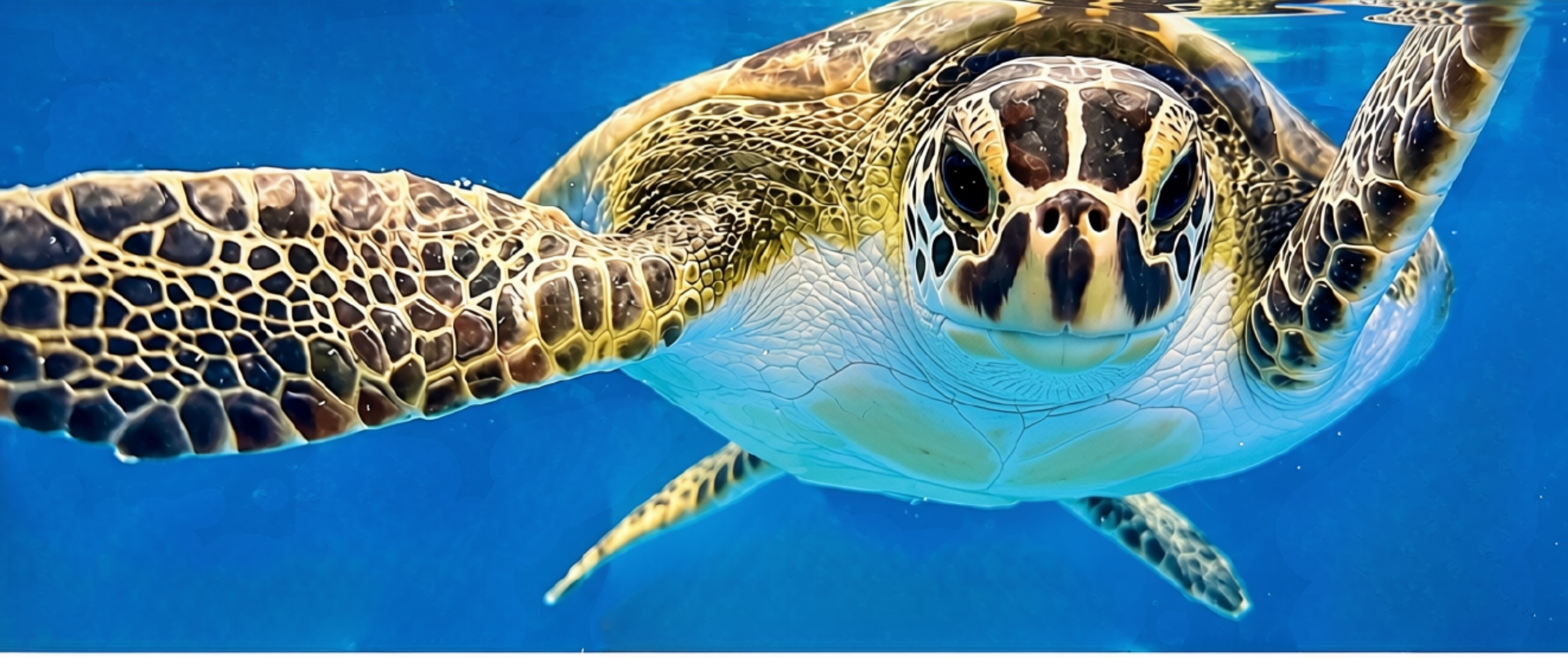
A day at the beach may end when the sun goes down, but for Topsail Island’s sea turtles, nighttime is when some of the most important activity begins.
Every summer, nesting sea turtles come ashore to lay their eggs. Weeks later, tiny hatchlings emerge from the sand and begin their journey toward the ocean. It is one of the most remarkable parts of spending time on the North Carolina coast and vacationers can play an important role in helping it happen safely.
Before your next evening walk or late-night trip back from the beach, here’s what you should know about sea turtles on Topsail Island.
Sea Turtle Nesting Season on Topsail Island
Sea turtle nesting season officially runs from May 1 through October 31.
During this time, volunteers with the Topsail Turtle Project survey approximately 26 miles of shoreline each morning, looking for tracks and other signs that a turtle has come ashore to nest.
Once a nest is identified, trained volunteers monitor it throughout the incubation period. As the expected hatch date approaches, you may notice volunteers sitting near a marked nest, watching for signs that the hatchlings are ready to emerge.
When dozens of hatchlings begin emerging from the sand at once, it is often called a "nest boil". It can happen quickly, which makes it especially important for everyone nearby to give the turtles plenty of space and follow the volunteers’ instructions.
Remember: Clean, Dark and Flat
The Karen Beasley Sea Turtle Rescue and Rehabilitation Center encourages everyone on the beach to keep it "Clean, Dark and Flat".
These three simple words cover many of the most important things vacationers can do to protect nesting turtles and hatchlings.
Keep the Beach Clean
Take all trash with you when you leave the beach, including food wrappers, plastic bags, cups, fishing line and other small items.
Plastic and other debris can be mistaken for food or become an obstruction for turtles traveling between the dunes and the ocean.
Before leaving, take a moment to look around your area—even small pieces of trash can make a difference.
Keep the Beach Dark
Sea turtle hatchlings naturally move toward the brightest horizon, which should be the moonlight reflecting over the ocean. Artificial lighting can send them in the wrong direction.
After dark:
- Turn off outdoor lights that can be seen from the beach.
- Close curtains, blinds or shades in oceanfront rooms
- Use approved turtle-friendly outdoor bulbs where needed.
- Avoid flashlights, camera flashes and bright screens near a turtle or nest.
Even the light from a cell phone screen can be bright enough to distract or disorient a hatchling. If you are fortunate enough to witness a nest boil, put your phone away and experience the moment without a screen.
Amber/Red lighting is generally less disruptive than white light, but it should still be used sparingly and never pointed toward a turtle. If your rental property provides turtle-friendly lights or flashlights, follow the instructions provided.
Keep the Beach Flat
Fill in every hole before you leave the beach—even holes that seem small.
Holes can trap hatchlings attempting to reach the water and can become dangerous obstacles for adult turtles coming ashore to nest. They can also pose a hazard to people walking on the beach after dark.
Sandcastles and large mounds of sand should be leveled for the same reason.
Bring all chairs, umbrellas, tents, toys, blankets and other beach equipment in at the end of the day. Items left behind can block or entangle a nesting turtle, even if left next to the bottom of your beachfront stairs.
What to Do If You See a Sea Turtle
Seeing a sea turtle on the beach is exciting, but the best way to help is to remain quiet and give the turtle plenty of room.
If you encounter a nesting turtle or hatchlings:
- Keep your distance. Remain behind the turtle and don't get between her and the ocean.
- Do not touch, pick up or attempt to guide a turtle.
- Do not use flash photography, flashlights or bright phone screens.
- Keep children and pets from approaching.
- Follow the directions of trained nest volunteers if they are present.
Hatchlings need to crawl across the sand on their own. As tempting as it may be to carry one closer to the water, handling it can interfere with an important part of its natural journey.
Never disturb nest markers, protective equipment or the sand inside a marked nesting area.
What If a Turtle Appears Injured or Stranded?
Do not attempt to move or return the turtle to the water yourself.
For a stranded, injured or distressed sea turtle on Topsail Island, call the Karen Beasley Sea Turtle Rescue and Rehabilitation Center’s hotline:
910-329-0222, option 3
Be prepared to explain where you are and what you observed. Follow the instructions you receive and remain at a safe distance.
For a sea turtle found elsewhere along the North Carolina coast, call the North Carolina Wildlife Resources Commission’s Sea Turtle Hotline at 252-241-7367.
It is a good idea to save the appropriate number in your phone before your vacation—especially if you plan to spend time fishing, boating or walking the beach early in the morning or after dark.
Visit the Sea Turtle Hospital in Surf City
Visitors can learn more about sea turtle rescue and rehabilitation at the Karen Beasley Sea Turtle Rescue and Rehabilitation Center, located at:
302 Tortuga Lane
Surf City, NC 28445
The center is an active working hospital where injured and sick sea turtles receive treatment and rehabilitation before they can hopefully be released back into the ocean.
Public access is offered through guided tours, and advance reservations are required. Tour schedules are seasonal, spaces are limited and available dates can sell out, so check the center’s official visitor information before making plans.
Because it is a functioning hospital, the number of turtles receiving care changes throughout the year. Every visit may be a little different.
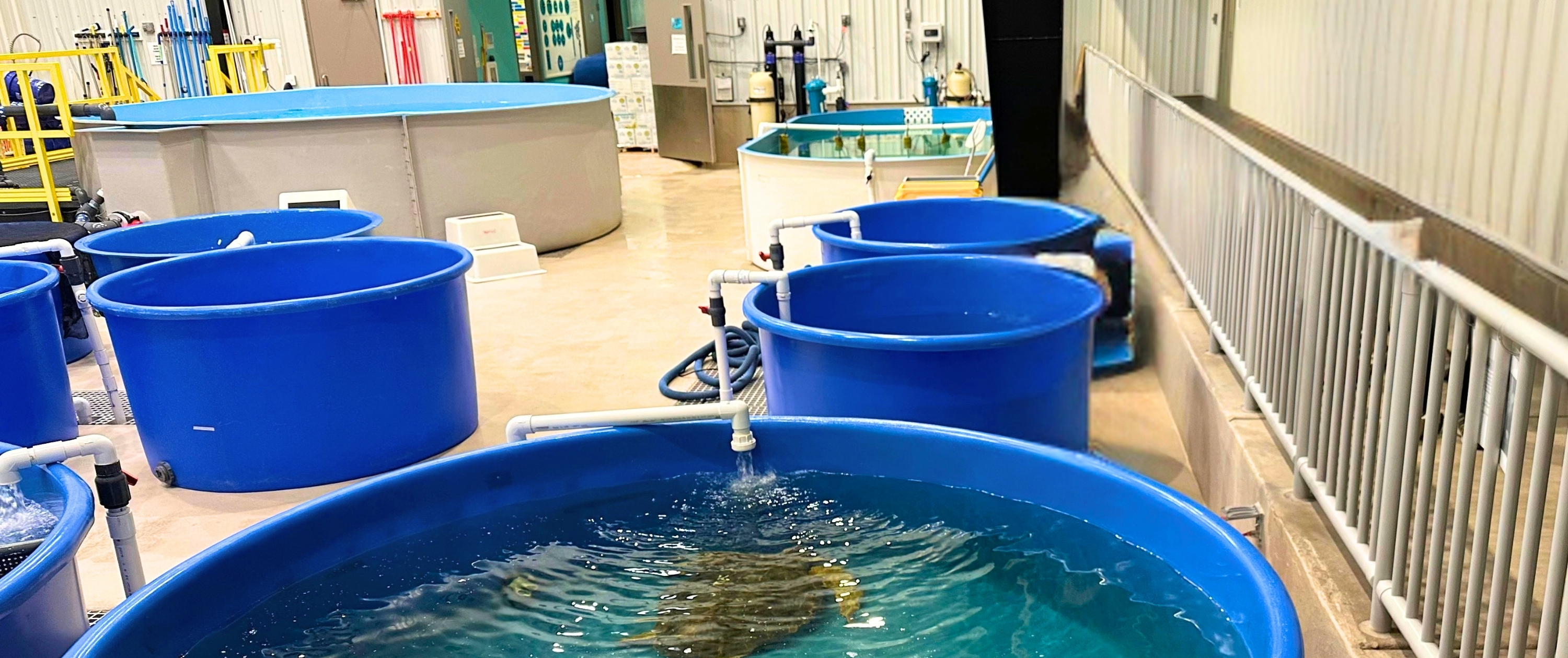 Photo by Christa Schroeder/Topsail Insider
Hear the Story Behind the Sea Turtle Hospital
For a deeper look at sea turtle rescue, rehabilitation and conservation in the Greater Topsail area, listen to my conversation with Kathy Zagzebski, Executive Director of the Karen Beasley Sea Turtle Rescue and Rehabilitation Center.
We discuss the hospital’s work, the turtles commonly seen in North Carolina waters, what happens when an injured turtle arrives for treatment, and the simple changes residents and vacationers can make to help protect them.
Help Protect One of Topsail Island’s Most Special Visitors
Sharing the beach with sea turtles is part of what makes Topsail Island so extraordinary.
By removing your beach gear, filling your holes, reducing artificial light and giving turtles plenty of room, you can help make the shoreline safer for nesting mothers and hatchlings, all without taking anything away from your vacation.
Come for the beach. Discover so much more—and help protect what makes Topsail Island special while you’re here.
*Information reviewed October 2026. Nesting conditions, tour schedules and reporting guidance may change. Please consult the Karen Beasley Sea Turtle Rescue and Rehabilitation Center’s official website for the latest information.

Creator and Host of Topsail Insider | Small Business Owner | Boy Mom
I’m Christa, a Hampstead resident and the creator, host, and producer of Topsail Insider. I launched the podcast in 2023 to help visitors, new and prospective residents, and locals discover more of what the Greater Topsail area has to offer.
More than 60 episodes later, I remain focused on relaxed, curious interviews that not only give listeners information they can use around Topsail, but also allows them to get to know the people and stories behind the businesses and nonprofits that make our beach communities so special.
I was also the Founding Partner of Topsail’s Top Choice Awards in 2024 and was honored to be named the Greater Topsail Area Chamber of Commerce’s 2025 Business Person of the Year.
Thanks for listening—I’ll see you around Topsail!


 Audible
  RSS Feed
  iHeartRadio
  Podcast Addict
  TuneIn
  PocketCasts
  Castbox